If you’ve talked through your struggles and still feel them held in your body, the tension, the bracing, the unease that words don’t reach- there’s a reason, and there’s another way. Somatic therapy works directly with the body and nervous system, where so much of what we carry actually lives.
Manulife
Canada Life
Industrial Alliance
Johnston Group
Alberta Blue Cross
ClaimSecure
NIHB
Green Shield
Desjardins

What Somatic therapy helps with
So much of what we carry lives in the body, not just the mind. Somatic therapy works with that directly. You might recognize yourself in a few of these, or in something that isn’t here at all.
Stress and tension held
in your body
The tight shoulders, the clenched jaw, the knot in your stomach that never fully lets go. Your body holds stress in ways that talking about it doesn't release. Somatic work goes straight to where it's stored.
Anxiety that lives in
your nervous system
The racing heart, the shallow breath, the sense of being wound up that you can't think your way out of. Anxiety is a body experience as much as a mental one, and it responds to body-based work.
Trauma your body
still remembers
Even when the mind has made sense of something, the body can stay braced, as if the danger is still here. Somatic therapy helps your nervous system finally register that it's over, gently and safely.
Feeling disconnected
from yourself
Numbness, going through the motions, a sense of watching your life from a distance. When you've learned to disconnect from your body to cope, somatic work helps you safely come back into it.
Talk therapy that reached
a limit
You've done the talking and gained the insight, but something still feels stuck. That's often a sign that the work needs to include the body, where the insight hasn't yet landed.
A nervous system stuck
on high alert
You can't seem to fully relax, rest, or feel safe in your own body, even when nothing is wrong. Somatic therapy helps a dysregulated nervous system find its way back to calm.
Why Somatic therapy is different
We tend to treat thinking and feeling as mental phenomena, separate from the body. But that isn’t how it works. Stress, anxiety, and especially trauma are held in the body and the nervous system in patterns of tension, bracing, and alertness that talking about them doesn’t always reach. This is why you can understand something completely and still feel it gripping you physically.
Somatic focused therapy works with this directly. Rather than only talking about your experiences, we gently bring attention to what’s happening in your body, the sensations, the tension, the impulses, and help your nervous system process and release what it’s been holding. The work is slow, safe, and always at your pace, never forcing or overwhelming. Over time, your body learns that it can let go, that the danger has passed, that it’s safe to settle. Healing this way reaches places that words alone can’t reach, and it tends to last.
How somatic therapy works
Somatic therapy is a respected, evidence-based, body-based approach, especially well-regarded for trauma and nervous system regulation. It’s gentle, paced by you, and guided with care.
We build safety and awareness
We start by helping you feel safe and grounded, and by gently building your awareness of what’s happening in your body. For many people, simply learning to notice bodily sensations is the foundation on which everything else rests.
We listen to what the body is holding
Rather than only talking, we bring curious, gentle attention to the sensations, tension, and patterns in your body, and to what they may be holding. Your body has its own wisdom, and we learn to listen to it.
We work at the pace of your nervous system
Using gentle, body-based techniques, we help your nervous system process and release what it’s been carrying, always in small, manageable steps. We never push past what feels safe, so the work stays steady rather than overwhelming.
We help your body learn that it can settle
Over time, your nervous system learns that it can come down from high alert, that it’s safe to rest and release. This new capacity to settle becomes something you carry with you, well beyond the therapy room.
Life during somatic therapy
Many people are surprised by how much shifts simply through learning to notice and stay with what’s happening in their body. After so long living in the head, that gentle reconnection can feel like a relief, and sometimes like coming home.
Within the first several sessions, people often start to feel small but real changes: a little more ease in the body, a little more capacity to stay grounded when stress rises. Because the work is paced by your nervous system, it tends to feel safe rather than overwhelming.
The bigger changes build gradually, as the body learns it can let go. The tension that lived in your shoulders or chest begins to release. The bracing softens. Your nervous system finds its way back to calm more easily, and you feel more settled, more present, and more at home in your own body.

Life after somatic therapy
Your body lets go of what it held
The tension, bracing, and held stress that lived in your body find their way out. You move through your days with more physical ease and less of the tightness you’d come to think of as normal.
Your nervous system finds calm
A system that was stuck on high alert learns it can return to normal. Rest, ease, and a real sense of safety in your own body return, and you can return to calm more easily when stress rises.
You feel reconnected and present
The numbness or distance eases, and you come back into your body and your life. You feel more present, more grounded, and more genuinely at home in yourself.
Some things can't be talked away. They have to be felt and gently released.
The team
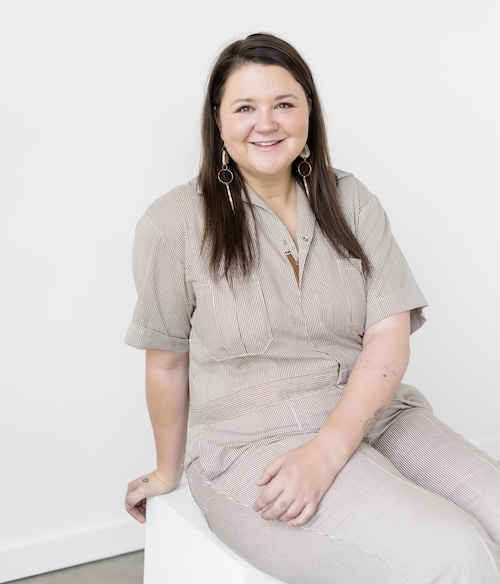
At Inspire Wellness Therapy, somatic-focused therapy is delivered by experienced, fully credentialed practitioners who guide this body-based work with patience, safety, and genuine care.

Alysha Dosanjh
Founder

Shaambhavi Sharma
Registered Social Worker
Jennifer Seniuk

Khanjan Pandya
Our space
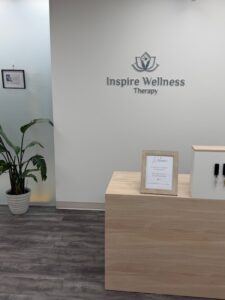

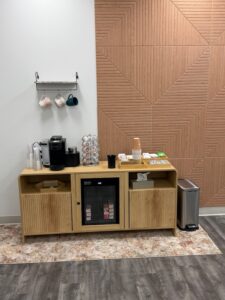


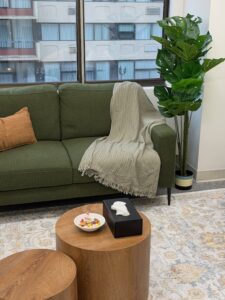
Dorchester Square · 1333 8 Street SW, Calgary
Our services & fees
Direct billing is available to 9 insurers, so most clients pay little or nothing out of pocket.
Individual Therapy
30 minutes
$125
50 minutes
$225
90 minutes
$300
Relationship Therapy
50 minutes
$225
90 minutes
$300
Family Therapy
50 minutes
$225
90 minutes
$300
A free 15-minute call is the easiest first step. We’ll listen first, then help you find the right support for what you’re going through.
What somatic therapy helps with
This body-based approach supports a wide range of experiences. Each page goes deeper into what we work on together.
Trauma
When the past keeps showing up in the present, uninvited.
Anxiety
When worry won't switch off, even when you want it to.
Grief
When you're learning to carry something you never wanted to.
Burnout
When you've been strong for so long, that emptiness crept up on you.
Self-worth
When the hardest voice to quiet is the one in your own head.
Depression
When everything feels heavier than it should, and lighter feels far away.
Works alongside Somatic therapy
Somatic work pairs naturally with other approaches, depending on what you’re working through.
Good to know
Most somatic work is not hands-on. It involves gently bringing attention to what's happening in your body, the sensations, tension, and impulses, and working with them through awareness, breath, movement, and other gentle techniques, all guided by your therapist. You stay in control throughout, and nothing happens that you're not comfortable with.
Yes, and it's often especially valuable for people who live in their heads. Learning to notice and reconnect with your body is part of the work, not a prerequisite. Your therapist will start gently, meeting you exactly where you are, and build from there at a comfortable pace.
Talking is powerful, but stress and especially trauma are held in the body and nervous system, not just the thinking mind. That's why you can understand something fully and still feel it gripping you physically. Somatic therapy works directly with what the body holds, reaching places that insight alone sometimes can't.
Yes. Body-based approaches are well-established and increasingly recognized, particularly for trauma and nervous system regulation. The understanding that the body holds our experiences, and that working with it directly supports healing, is well-supported and central to how we work.
Yes. Somatic work translates well to an online format, with your therapist guiding you through body awareness from wherever you are. We work with clients across Alberta and British Columbia. In-person sessions are also available at our Calgary office.
Our sessions are covered by most extended health plans. Coverage depends on your specific plan, so it's worth checking what your provider includes for your therapist's designation. We also offer direct billing to 9 major insurers.
What actually happens in a somatic session? Is it hands-on?It's a free, no-pressure conversation where we learn a little about what you're going through and help you find the right therapist for it. There's no commitment and nothing to prepare. Just a chance to ask questions and see if it feels like a fit.
In a crisis, please call 911, or call or text 9-8-8 (Suicide Crisis Helpline), available 24/7. Inspire Wellness Therapy does not provide emergency services.
Begin when you're ready
Book a free discovery call, and we’ll help you find the right somatic therapist for what you’re working through. No commitment, no pressure. Just a conversation about where you are and what might be possible.
In person at our Calgary office · Online across Alberta and British Columbia · Direct billing is available to 9+ insurers
❦
❦
Inspire Wellness Therapy respectfully acknowledges that what we call Alberta is the traditional and ancestral territory of many peoples, presently subject to Treaties 6, 7, and 8. We acknowledge the many First Nations, Métis and Inuit who have lived in and cared for these lands for generations.
We are all-inclusive, striving to create safe, affirming, and anti-oppressive spaces to welcome and provide equal care for all members of 2SLGBTQIA+ communities.